Understanding What R60 Insulation Rating Means
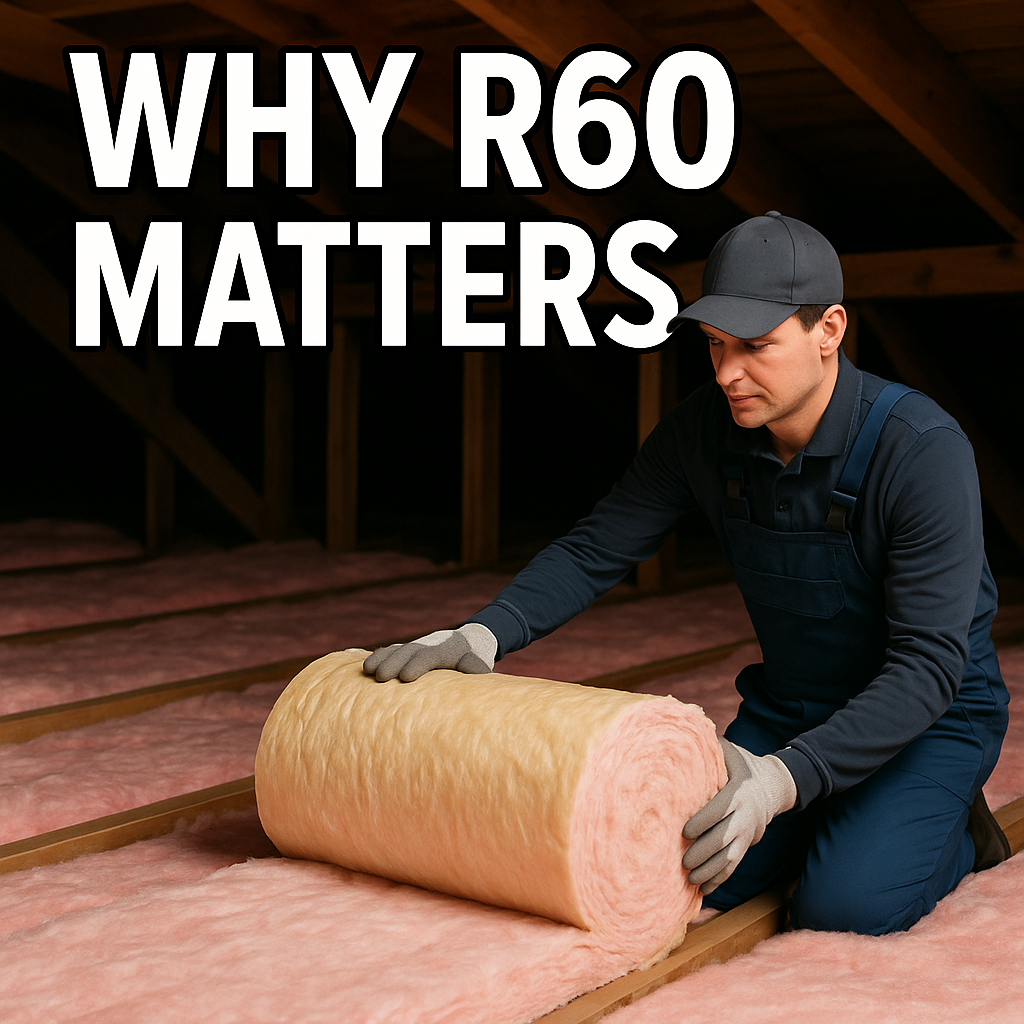
When you hear the term R60 attic insulation, the “R” refers to resistance to heat flow. The higher the R-value, the better the material insulates. An R60 rating is among the highest levels recommended for attics in cold and mixed climates, offering exceptional energy efficiency and comfort.
The Role of R-Value in Energy Efficiency
R-value is like a thermal barrier for your home. A higher R-value means less heat escapes in winter and less heat enters in summer. This translates into lower utility bills and a more stable indoor climate.
Why R60 Is Recommended for Attics
Most energy loss in homes happens through the roof. The U.S. Department of Energy recommends R49–R60 insulation in attics, especially in northern states. R60 ensures maximum performance and long-term savings.
Factors That Affect the Cost of Achieving R60
Before jumping into the cheapest methods, it’s important to understand what affects costs.
Attic Size and Existing Insulation
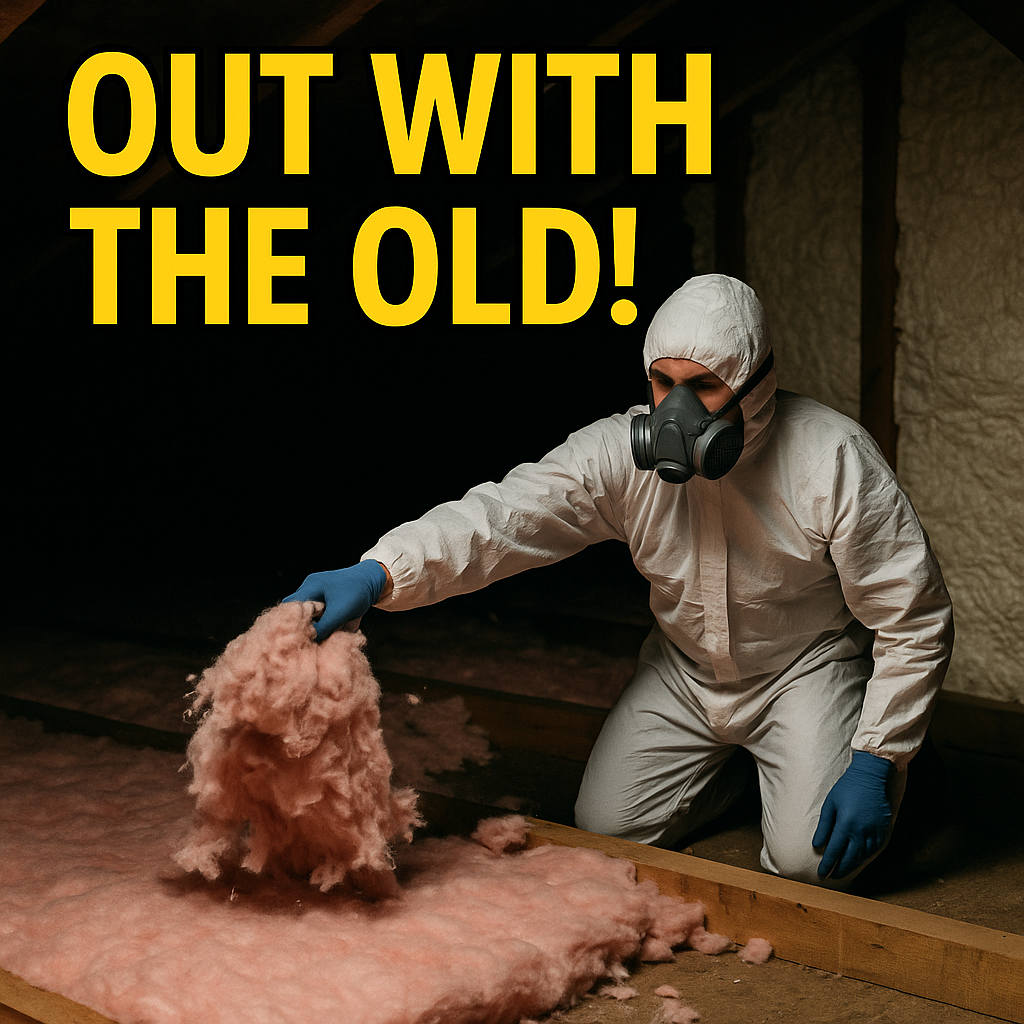
A large attic requires more material, but if you already have R20 or R30 insulation, you only need add inches to existing insulation to reach R60.
Climate Zone and Regional Recommendations
Homes in colder zones (Zones 5–8) benefit most from R60. Warmer regions may find R38–R49 sufficient, which impacts cost.
Material Type and Installation Method
The insulation type—fiberglass, cellulose, or spray foam—greatly influences the final price.
The Cheapest Methods to Reach R60 in Your Attic
Blown-In Fiberglass Insulation
Cost: $1.00–$1.50 per sq. ft.
Best for: DIY homeowners who want affordable, lightweight coverage.
Thickness for R60: ~19–20 inches.
Blown-In Cellulose Insulation
Cost: $1.00–$1.50 per sq. ft.
Best for: Eco-friendly homeowners (made from recycled paper).
Thickness for R60: ~17–18 inches.
Batt Fiberglass Insulation (Layering Technique)
Cost: $0.80–$1.20 per sq. ft.
Best for: Smaller spaces and DIY layering.
Thickness for R60: Two layers of R30 batts.
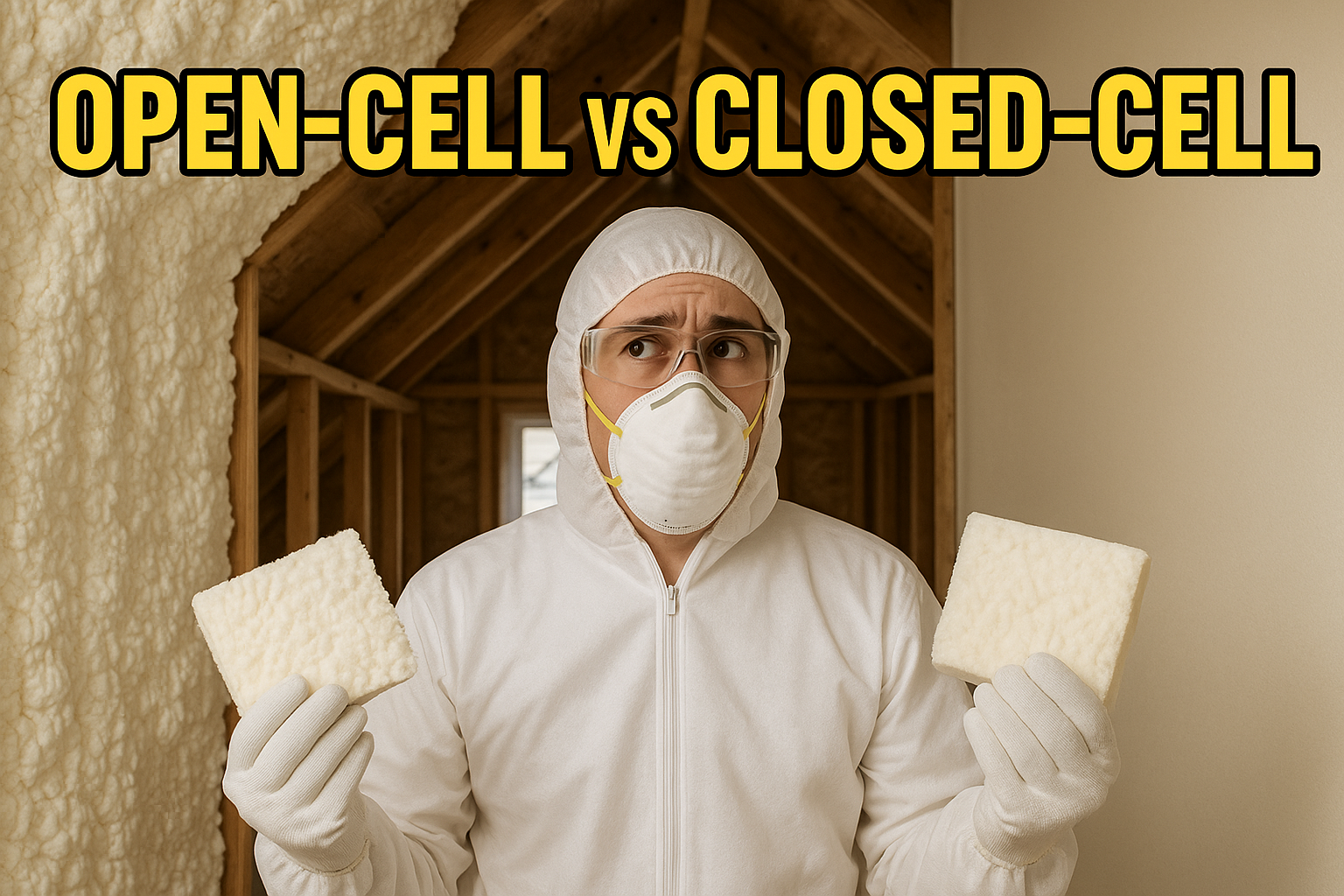
Spray Foam – Costlier but Long-Term Option
Cost: $1.50–$3.50 per sq. ft.
Best for: Air sealing + insulation in one step.
Thickness for R60: ~10–11 inches of closed-cell foam.
(Not the cheapest, but worth mentioning.)
Comparing Costs of Different Insulation Options
| Insulation Type | Approx. Cost per Sq. Ft. | Thickness Needed for R60 | DIY Friendly |
|---|---|---|---|
| Blown-In Fiberglass | $1.00–$1.50 | 19–20 inches | Yes |
| Blown-In Cellulose | $1.00–$1.50 | 17–18 inches | Yes |
| Batt Fiberglass | $0.80–$1.20 | Layered batts | Yes |
| Spray Foam | $1.50–$3.50 | 10–11 inches | No |
Clearly, blown-in fiberglass is the cheapest method to achieve R60 in most attics.
Step-by-Step Guide to Achieving R60 Affordably
Step 1: Assess Current Insulation
Check your attic depth. If you already have 6–8 inches of insulation, you only need to add more to reach R60.
Step 2: Choose the Right Material
For cost-effectiveness, blown-in fiberglass or cellulose is ideal.
Step 3: Calculate Required Thickness
R60 = ~19 inches fiberglass or ~17 inches cellulose.
Step 4: Install Insulation Properly
Rent a blower machine (often free with purchase at big box stores). Evenly distribute insulation without compressing it.
Common Mistakes to Avoid When Adding Attic Insulation
Over-Compressing Insulation – reduces effectiveness.
Ignoring Air Sealing Before Insulating – leaks defeat the purpose.
Forgetting Proper Ventilation – prevents moisture buildup.
Energy Savings and Payback from R60 Insulation
Average Savings per Year
Homeowners can save $150–$400 annually on energy bills.
Payback Period for the Cheapest Method
With blown-in fiberglass costing as little as $800–$1,200 for an average attic, most households see payback in 2–4 years.
Frequently Asked Questions (FAQs)
1. What is the cheapest insulation material to reach R60?
Blown-in fiberglass is the cheapest, costing about $1.00–$1.50 per sq. ft.
2. How thick should attic insulation be for R60?
Around 19–20 inches of fiberglass or 17–18 inches of cellulose.
3. Can I add new insulation over old insulation?
Yes, as long as the old insulation is dry and mold-free.
4. How much does it cost to DIY R60 insulation?
For a 1,000 sq. ft. attic, expect $800–$1,200 in material costs.
5. Is cellulose or fiberglass better for R60 rating?
Both work well, but fiberglass is usually cheaper, while cellulose is more eco-friendly.
6. Does adding R60 insulation increase home value?
Yes, homes with energy-efficient insulation often sell faster and at higher prices.
Conclusion: The Best and Cheapest Way to Reach R60 in Your Attic
The cheapest method to achieve R60 rating in your attic is blown-in fiberglass insulation. It’s affordable, widely available, DIY-friendly, and delivers excellent thermal performance. By reaching R60, you’ll not only lower your energy bills but also boost your home’s comfort and resale value.
For more technical details, check out the U.S. Department of Energy’s insulation recommendations.