Keeping a Florida home cool isn’t just about running the air conditioner. The right attic insulation plays a massive role in blocking out heat, lowering energy bills, and maintaining indoor comfort. With Florida’s tropical climate—high humidity, scorching summers, and hurricane risks—choosing the right insulation type becomes even more important.
In this article, we’ll explore the top 5 attic insulation types for Florida homes, compare their pros and cons, and help you make the best decision for your home’s comfort and efficiency.
Why Insulation Matters in Florida Homes
The Unique Climate Challenges of Florida
Unlike northern states where insulation mainly fights the cold, Florida homeowners battle heat, humidity, and mold growth. Without proper insulation, attics can trap hot, damp air, forcing your AC to work overtime and driving up your power bill.
Energy Savings and Indoor Comfort Benefits
Well-installed insulation doesn’t just save money—it improves air quality, reduces allergens, and keeps rooms at a stable temperature. Many Florida homeowners see up to 20–30% savings on cooling costs after upgrading their attic insulation.
Factors to Consider Before Choosing Attic Insulation
R-Value Requirements for Florida’s Climate Zones
The Department of Energy recommends an attic R-value of R-30 to R-60 for Florida homes. This ensures proper thermal resistance against heat infiltration.
Moisture and Mold Resistance
Because of Florida’s humidity, insulation must resist mold growth and water absorption. Not all insulation types are created equal here.
Longevity and Maintenance Needs
Some materials, like fiberglass, can degrade faster in humid conditions, while others, like spray foam, can last for decades with minimal upkeep.
Top 4 Attic Insulation Types for Florida Homes
1. Spray Foam Insulation (Best for Air Sealing)
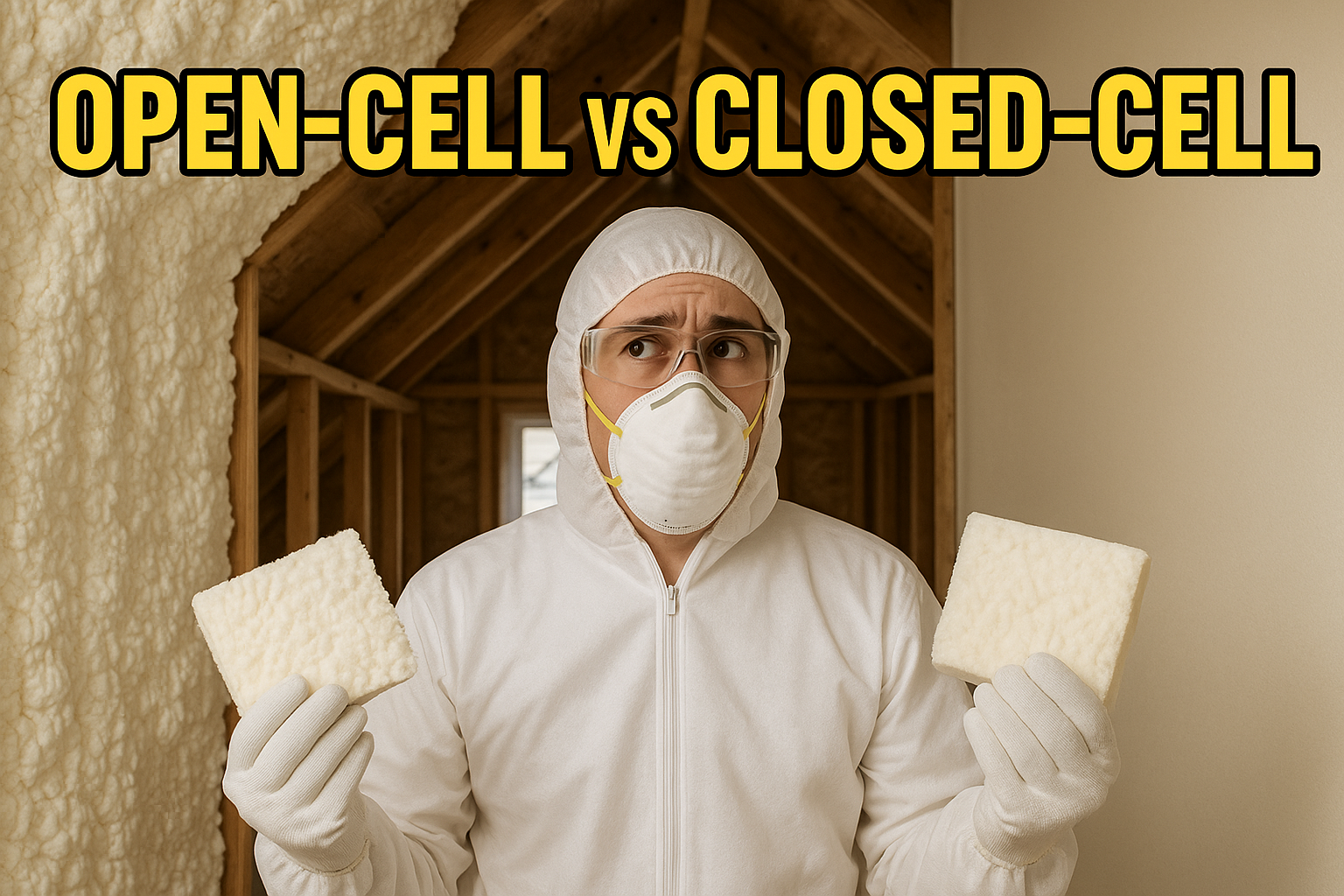
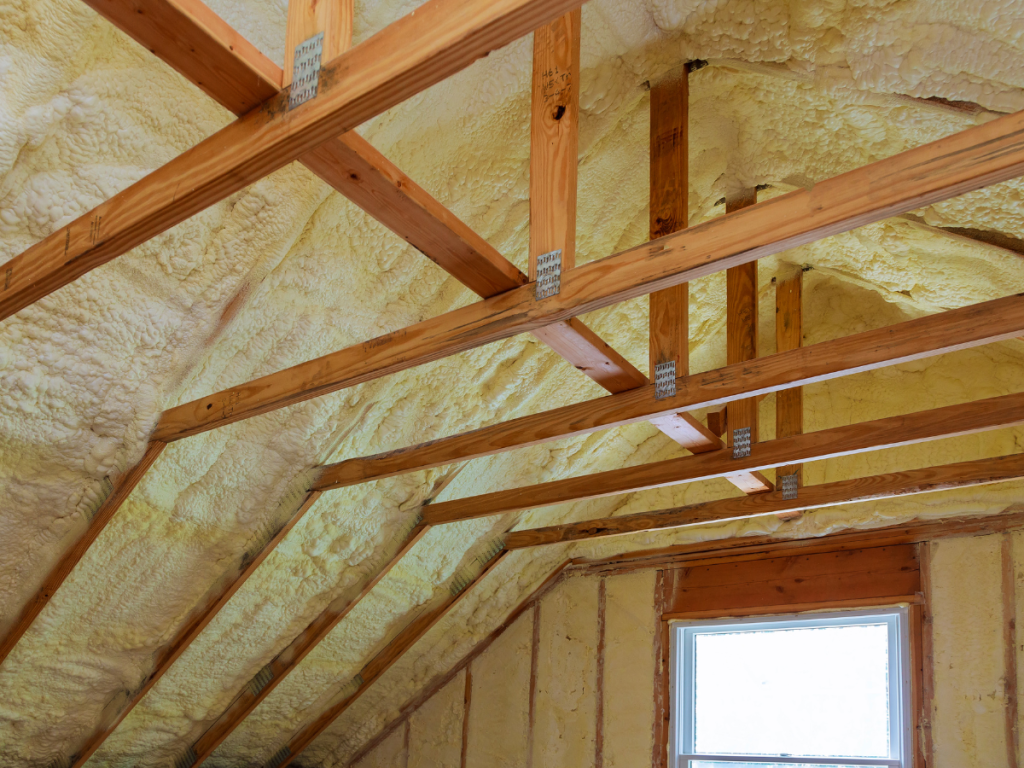
Spray foam creates an airtight seal that keeps out moisture, pests, and hot air. It’s especially useful in Florida’s humid climate.
Pros and Cons of Spray Foam
✅ Excellent air sealing
✅ Long-lasting and mold-resistant
❌ High upfront cost
Cost and ROI for Florida Homes
Spray foam costs $1.50–$3.50 per sq. ft., but it can reduce cooling costs by up to 40%.
2. Fiberglass Batt Insulation (Budget-Friendly Choice)
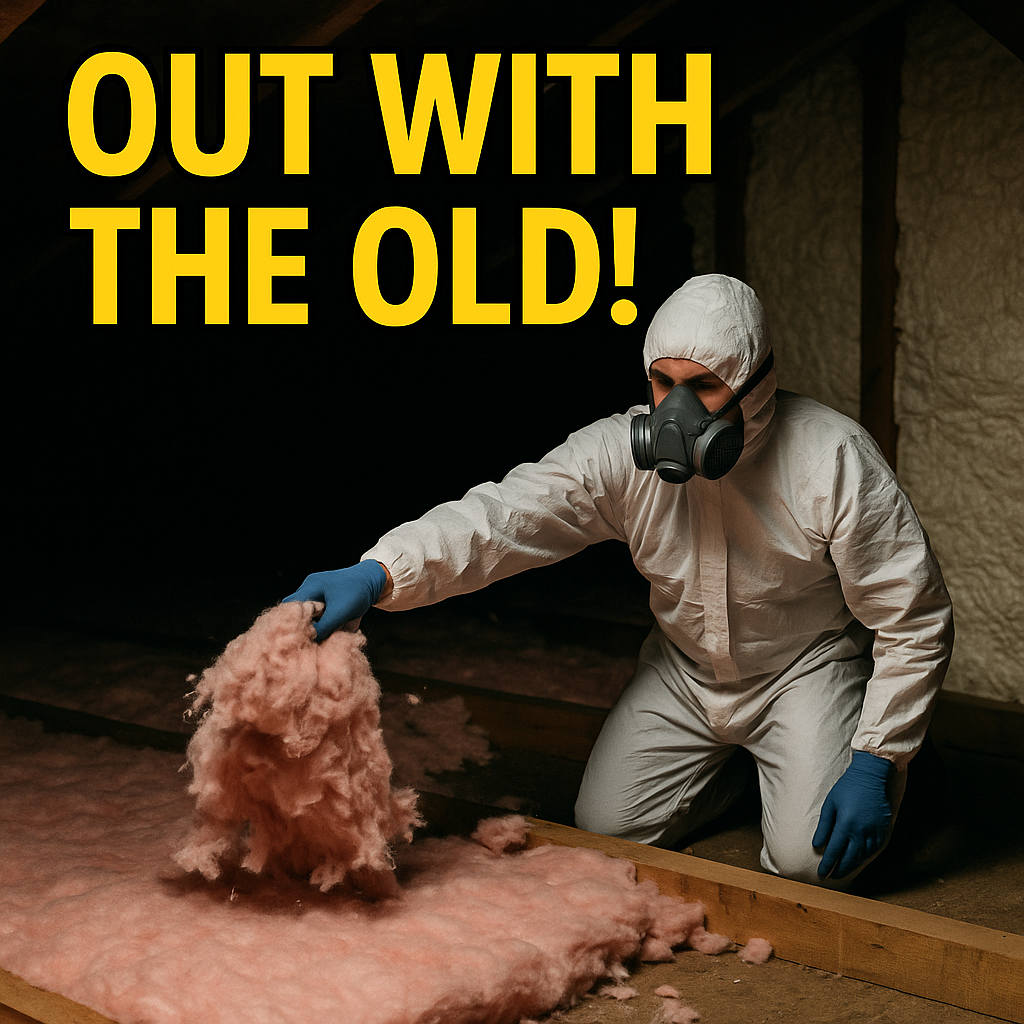
Fiberglass is one of the most affordable options. It’s widely available and easy to install, but not as moisture-resistant as spray foam.
Advantages and Disadvantages
✅ Low cost
✅ Easy to replace
❌ Susceptible to moisture damage
When It’s Best Used in Florida
Best for dry attics with proper ventilation and when budget is a concern.
3. Blown-In Cellulose Insulation (Eco-Friendly Option)
Made from recycled paper products treated for fire resistance, cellulose is an eco-friendly and effective option.
Key Benefits of Cellulose
✅ Great for filling tight spaces
✅ Environmentally friendly
❌ Can absorb moisture if not sealed properly
Cost and Performance in Humid Areas
Costs about $1.00–$1.50 per sq. ft. and works best when paired with vapor barriers.
4. Radiant Barrier Insulation (Perfect for Reflecting Heat)
Florida’s blazing sun makes radiant barriers a smart choice. They reflect radiant heat instead of absorbing it.
How Radiant Barriers Work
They consist of reflective foil installed in the attic, bouncing heat away before it enters your living space.
Best Situations for Florida Homes
Perfect for homes with large roof exposure and for reducing attic heat buildup.
Cost Comparison of Insulation Types in Florida
| Insulation Type | Average Cost per Sq. Ft. | Lifespan | Energy Savings Potential |
|---|---|---|---|
| Spray Foam | $1.50 – $3.50 | 20+ yrs | Up to 40% |
| Fiberglass Batt | $0.80 – $1.50 | 10–15 yrs | 10–20% |
| Cellulose | $1.00 – $1.50 | 15–20 yrs | 20–30% |
| Radiant Barrier | $0.50 – $2.00 | 15–20 yrs | 10–25% |
Professional Installation vs. DIY Insulation
Pros of Hiring a Contractor
Ensures proper sealing against moisture
Meets Florida’s building codes
Reduces mistakes that lead to higher energy bills
Find a Insulation Contractor Near You
When DIY is a Good Option
If you’re installing fiberglass batts in a small attic space, DIY may be an affordable choice. For spray foam, however, professionals are strongly recommended.
FAQs About Attic Insulation in Florida Homes
Q1: What is the best attic insulation for humid climates?
Spray foam and mineral wool are the best because they resist mold and moisture.
Q2: How often should attic insulation be replaced in Florida?
Every 15–20 years, depending on material and condition.
Q3: Can radiant barriers be combined with other insulation?
Yes! Many homeowners pair radiant barriers with spray foam or fiberglass for maximum efficiency.
Q4: Is spray foam worth the cost in Florida?
Yes, if your goal is long-term savings and superior moisture protection.
Q5: How can I tell if my attic insulation needs upgrading?
Look for uneven cooling, high energy bills, or visible damage in the attic.
Q6: Does attic insulation help with hurricane protection?
Indirectly—spray foam strengthens roofs by creating a solid bond between decking and rafters.
Conclusion: Choosing the Best Attic Insulation for Florida Homes
The top 4 attic insulation types for Florida homes—spray foam, fiberglass batts, blown-in cellulose, radiant barriers, and mineral wool—each offer unique benefits.
For maximum efficiency, choose spray foam.
For budget savings, go with fiberglass batts.
For eco-friendliness, consider cellulose.
For heat reflection, install a radiant barrier.
No matter which you choose, investing in the right insulation will save money, improve comfort, and protect your Florida home for years to come.
🔗 Learn more about attic insulation standards from Energy.gov.