Choosing the right contractor isn’t just about cost—it’s about trust, skill, and long-term value. Here are some practical steps to research and compare options.
Checking licenses, certifications, and insurance
Always verify that your contractor has the necessary state licenses and certifications. In the U.S., many professionals are certified by the Building Performance Institute (BPI) or similar organizations. Insurance is equally important—it protects you from liability in case of accidents during installation.
Reading online reviews and testimonials
Websites like Google Reviews, Yelp, and Angie’s List can provide real-life insights into a contractor’s reliability and professionalism. Look for contractors with consistent positive reviews, not just a few high ratings.
Asking for referrals from neighbors or family
Sometimes the best recommendations come from people you know. Ask your neighbors or family if they’ve hired an attic insulation contractor recently and whether they’d recommend them.
Essential Questions to Ask Before Hiring
Before signing a contract, prepare a list of important questions. This ensures transparency and helps you make the best decision.
What insulation materials do you recommend?
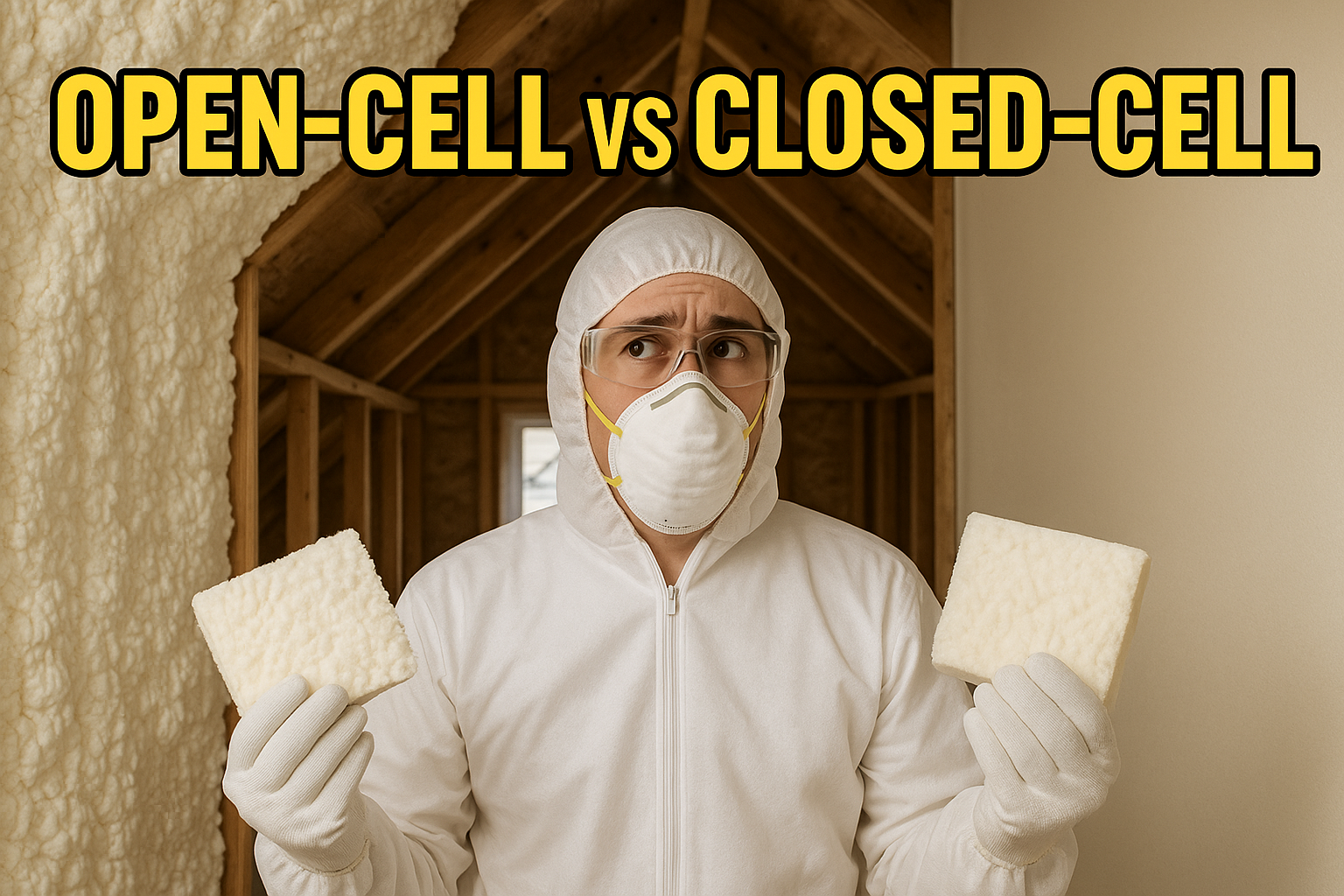
From fiberglass to spray foam, different contractors prefer different materials. The right choice depends on your budget, energy goals, and climate.
How long will the project take?
A professional contractor should provide a clear timeline. Most attic insulation jobs take one to three days, depending on the size and complexity of the attic.
Do you offer warranties or guarantees?
Reputable contractors back up their work with warranties on both materials and labor. This gives you peace of mind in case of future issues.
Cost of Hiring an Attic Insulation Contractor
One of the most common concerns for homeowners is cost. Prices vary depending on the insulation type, home size, and local labor rates.
Average price ranges by insulation type
- Fiberglass batts: $0.40 – $1.50 per square foot
- Blown-in cellulose: $1.00 – $2.00 per square foot
- Spray foam insulation: $1.50 – $4.50 per square foot
Factors that affect overall cost
- Size of your attic
- Type of insulation material
- Accessibility of the attic
- Removal of old insulation
- Regional labor rates
How to get accurate estimates
Always request at least three written estimates from different contractors. A detailed estimate should include materials, labor, cleanup, and warranties.
DIY vs Professional Attic Insulation
Some homeowners wonder if they can tackle attic insulation themselves. While DIY is possible, it’s not always the best choice.
When DIY makes sense
- Small attics with easy access
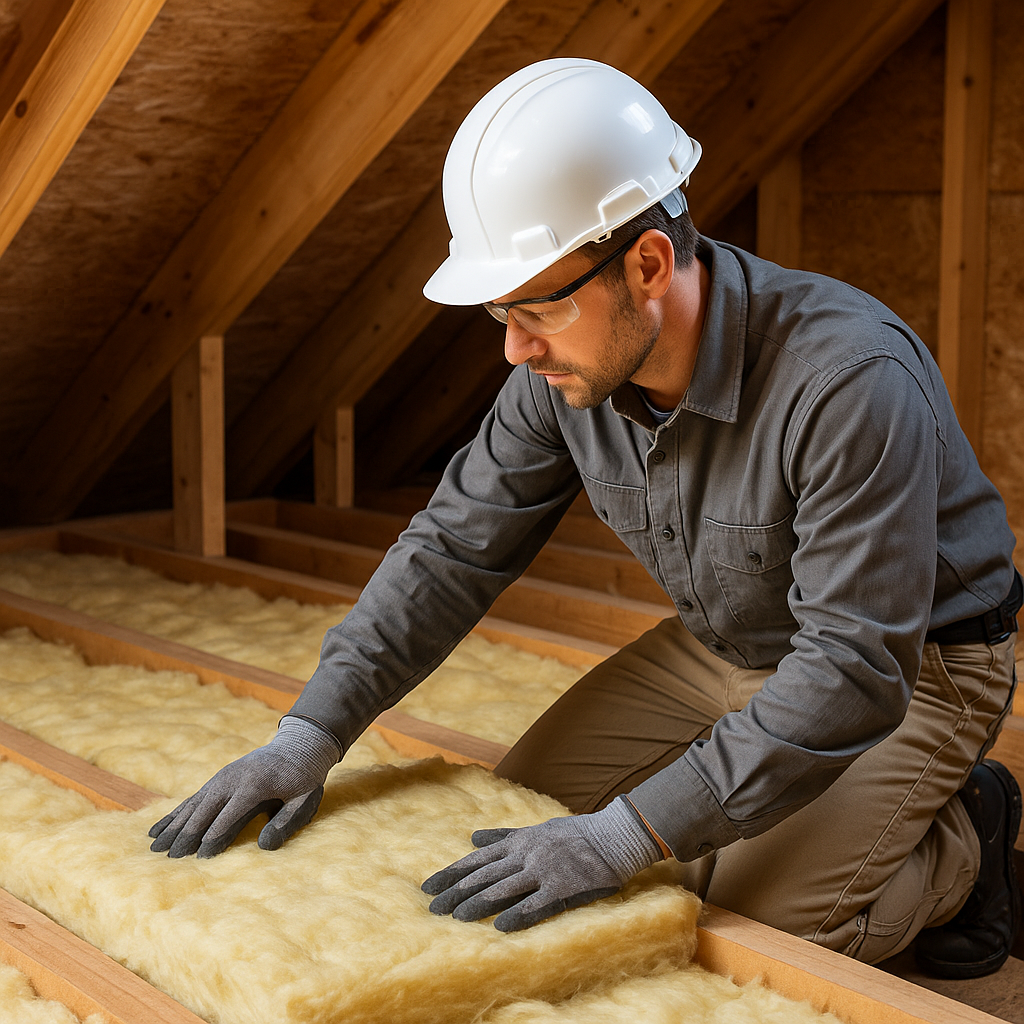
- Installing fiberglass batts in unfinished spaces
- Homeowners with prior experience in home projects
Risks of DIY attic insulation
- Exposure to harmful fibers or chemicals
- Poor installation leading to gaps and inefficiency
- Safety hazards from working in cramped, hot spaces
Benefits of hiring a professional contractor
- Correct installation without energy leaks
- Knowledge of building codes and safety standards
- Access to advanced tools and equipment
- Long-term energy savings that offset the initial cost
Find a Insulation Contractor Near You
Red Flags to Watch Out For
Unfortunately, not every contractor operates with integrity. Watch for these warning signs.
Extremely low bids or vague estimates
If a quote seems too good to be true, it probably is. Low bids often mean substandard materials or hidden fees later.
No written contract or unclear terms
A reliable contractor always provides a written agreement detailing costs, materials, and warranties.
Lack of proper equipment or training
If a contractor shows up unprepared or unable to explain insulation standards, consider it a red flag.
Benefits of Hiring the Right Contractor
When you find the right professional, the benefits go beyond just comfort.
Long-term energy savings
Proper insulation reduces heating and cooling costs, saving you money every month.
Improved indoor air quality
Professionally installed insulation reduces dust, allergens, and pollutants entering through attic leaks.
Increased home resale value
A well-insulated home is more attractive to buyers and can boost your property’s market value.
How to Maintain Attic Insulation After Installation
Insulation isn’t a “set it and forget it” project. Regular maintenance ensures it lasts for decades.
Scheduling regular inspections
Check your attic at least once a year to make sure insulation is intact and evenly distributed.
Watching for pests, moisture, and leaks
Rodents and water damage are two of the biggest threats to insulation. Early detection can prevent costly replacements.
Knowing when to replace insulation
On average, insulation lasts 20–30 years. However, water damage, mold, or compaction can shorten its lifespan.
FAQs About Finding a Attic Insulation Contractor
How do I know if my attic needs new insulation?
If you notice high energy bills, temperature fluctuations, or visible damage, it’s time to call a contractor.
What is the best insulation for attics?
Spray foam offers the highest efficiency, but fiberglass and cellulose are also effective, budget-friendly options.
How much does attic insulation improve home value?
Proper insulation can increase resale value by up to 10% while also making your home more appealing to buyers.
Should I replace old insulation before adding new?
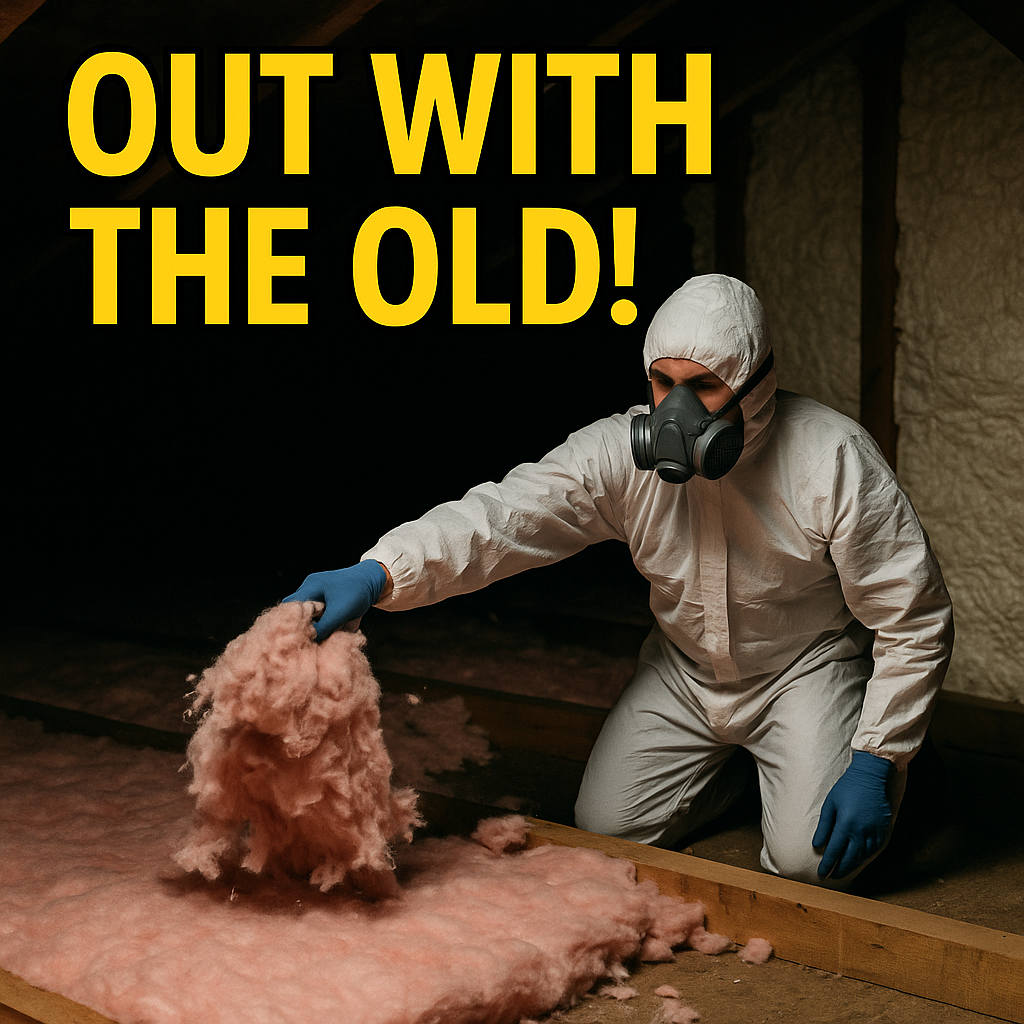
In most cases, yes. Old, damp, or moldy insulation should be removed to avoid future problems.
Can attic insulation help with allergies?
Yes—new insulation can reduce dust, pollen, and pollutants entering from your attic.
How do I find a trusted contractor in my area?
Look for certified, licensed professionals with solid reviews and written warranties.
Conclusion: Making the Right Choice for Your Home
Finding a attic insulation contractor doesn’t have to be overwhelming. By knowing what to look for, asking the right questions, and watching for red flags, you can hire a professional who adds long-term value to your home. Proper insulation not only saves you money but also keeps your home comfortable and healthy year-round.
For more guidance, check out the U.S. Department of Energy’s guide on insulation.